Choosing a Deer Rifle for Your State's Rules
The best deer cartridge in the country is the one your state lets you use. Firearm rules for deer are set by each state's wildlife agency, they differ sharply between neighbours, and in several states they change from county to county. Getting this wrong costs a season, so work from the current regulations for the exact county you will hunt.
General information, not legal advice. The rules below are current as of September 2026. Firearm law changes often, so read your own state's official page before you order.
The three broad camps
- Any centerfire rifle. Most of the west and south lets you use any centerfire rifle cartridge of reasonable size for deer. Alabama, Louisiana, Oklahoma, Arkansas, Kansas, Tennessee, New Mexico, Nevada and others fall here, though each publishes its own wording.
- Straight-wall cartridges only. Some midwestern states allow rifles but only in straight-walled cartridges, often with a minimum calibre and a case length range. Ohio is the best known example, and the approved list is published by the state each year.
- Shotgun, muzzleloader and handgun zones. Parts of Michigan, Minnesota, Wisconsin, Illinois, Maryland and New York restrict rifles in defined areas, usually the flatter and more populated farm country, and allow shotgun slugs, muzzleloaders or straight-wall cartridges instead.
Why the zones exist
The reasoning is range and terrain. A modern bottleneck rifle cartridge carries for miles over flat ground, so states with heavy farm settlement historically limited hunters to loads that come down sooner. As slug guns and straight-wall rifles improved, several of these states loosened the rule rather than dropping it, which is how the straight-wall category grew into a distinct class with its own rifles and ammunition.
Reading a regulation properly
State wording is precise and each word does work. Look for four things: the minimum calibre, whether the case must be straight-walled, any maximum or minimum case length, and whether the rule applies statewide or only in listed counties. A rifle that is legal during the general firearms season may be prohibited during a special muzzleloader week, and private land sometimes has different rules from public land in the same county. Tennessee, for example, allows certain single-shot straight-wall rifles on private land during part of the muzzleloader and archery season.
Sensible cartridge choices where anything goes
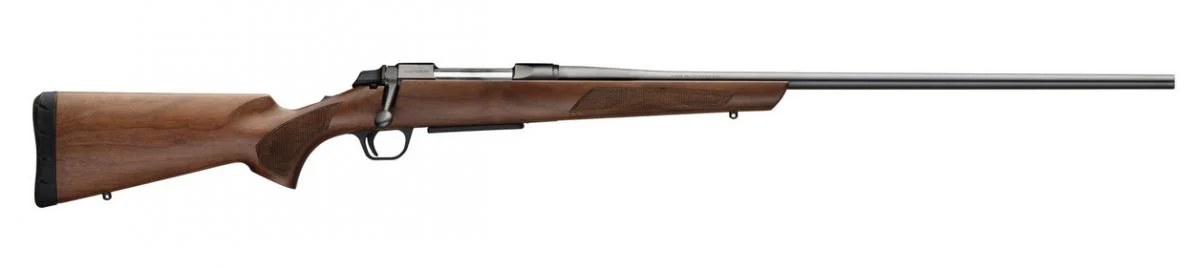
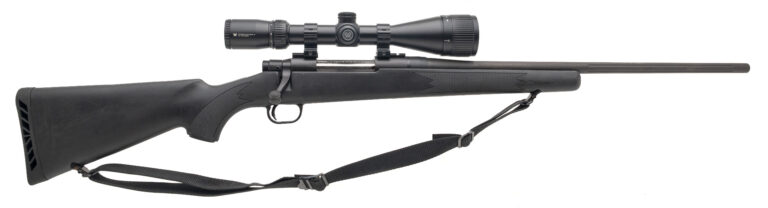
In an any-centerfire state, deer do not require much. A .243 Winchester is easy to shoot well and kills deer cleanly. A 6.5 Creedmoor gives more reach with mild recoil and is available everywhere. The .270 Winchester, .308 Winchester and .30-06 Springfield have taken more deer than anything else and cover every reasonable distance. Shot placement matters more than the headstamp, so buy the rifle you will practise with rather than the one with the most impressive numbers.
Straight-wall options
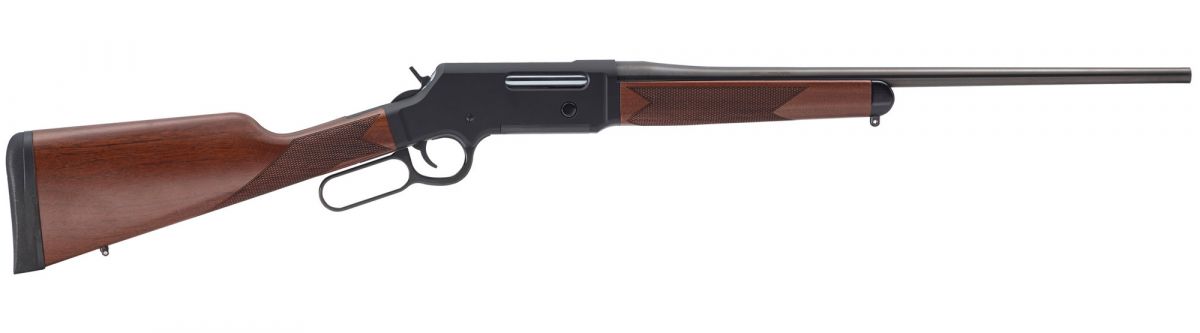
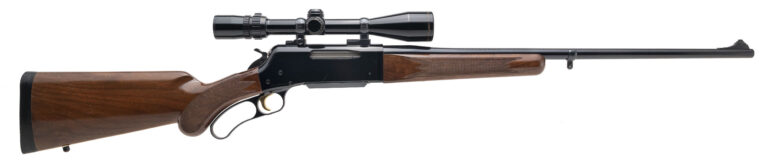
Straight-wall rules produced a genuinely good class of deer rifles. The .350 Legend was designed specifically for these states and has light recoil and cheap ammunition. The .450 Bushmaster hits harder at short range. The .360 Buckhammer, .44 Remington Magnum and .45-70 Government all have a following. Check your state's published list rather than assuming a cartridge qualifies, because case length limits catch people out and the approved list is revised.
Shotgun zones
In a slug zone, a dedicated rifled barrel with a modern sabot slug and a low-power scope will hold a group at a hundred yards that would have seemed impossible thirty years ago. A smoothbore with rifle sights and a good foster slug is still perfectly effective inside sixty yards, which covers most shots in thick country. Pattern and zero the specific slug you intend to hunt with, because slug guns are notably fussy about brand, and a load that groups well in one barrel can scatter badly in another of the same make. Buy two boxes of the load that works and put them aside for the season rather than rediscovering the problem on the morning of the opener.
Muzzleloaders and archery
Nearly every state runs a separate muzzleloader season and a long archery season, often with extra tags. Muzzleloader rules vary in the detail: some states allow modern inline rifles with scopes, some require open sights, and some restrict ignition types. Archery seasons usually open weeks before firearms and are the quietest way to hunt close to a city, since many counties that limit rifles place no such limit on a bow.
Optics and zeroing
A modest, reliable scope beats a large, fragile one. Two to seven power or three to nine power covers almost all deer hunting. Mount it low, torque the rings properly, and zero at a distance that matches your ground: a hundred yards suits timber and farm edges, two hundred suits open country. Fire a group from a rest in the conditions you will hunt in, including the cold, and confirm the zero again after any journey in which the rifle was knocked about.
Tags, zones and seasons
Rifle rules are only half the planning. Eastern states generally sell deer licences over the counter with limits that vary by zone. Western states often allocate tags by draw with an application deadline months before the season. Look up your zone, your tag type and your season dates at the same time you check the firearm rule, since all four are printed in the same publication.
Once you know what is legal where you hunt, our shop carries rifles, slug guns and ammunition for every category above, and the store directory has the season summary for each city we serve. If the rifle is shipping to a dealer, the transfer guide explains the timeline, and the travel guide covers hunting over a border.
General information, not legal advice. Current as of September 2026. Laws change; check the official source before you act.